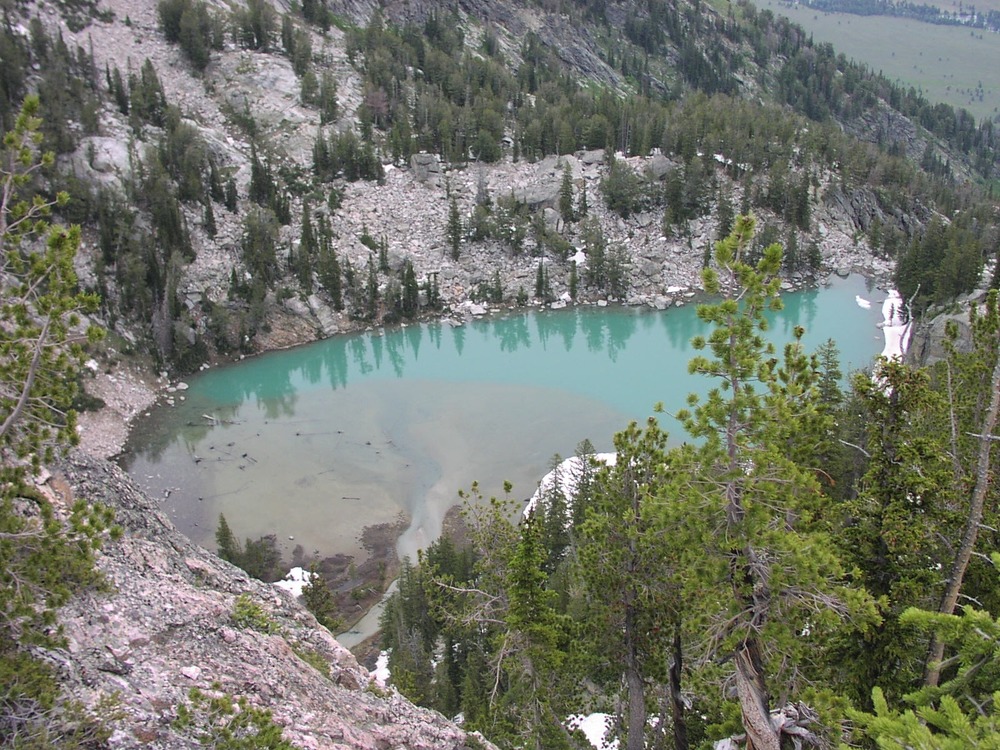
Delta Lake Grand Teton: Is the Strenuous Hike Worth the Views?
For many avid hikers and nature enthusiasts, the pursuit of truly unforgettable landscapes often involves venturing off the beaten path. In the heart of Wyoming's majestic Grand Teton National Park, one such adventure beckons: the challenging yet incredibly rewarding journey to Delta Lake. Known for its mesmerizing, milky robin's egg blue waters, Delta Lake is frequently hailed as one of the park's most stunning — and arduous — destinations. But with an "unmaintained" trail status and significant elevation gain, is this strenuous hike truly worth the effort?
We delve deep into what makes the hike to delta lake in grand teton national park a bucket-list experience, examining its challenges, its unique beauty, and offering essential advice to help you decide if this alpine masterpiece is your next adventure.
The Delta Lake Challenge: A Closer Look at the Trail's Demands
Let's be upfront: the hike to Delta Lake is not for the faint of heart. It's classified as a challenging 8.1-mile out-and-back trail, boasting a formidable 2,300 feet of elevation gain. Located in the southwest corner of Grand Teton National Park, just outside of Jackson, Wyoming, the trail starts innocently enough from the popular Lupine Meadows trailhead.
What truly sets this hike apart, and contributes to its strenuous reputation, is its "unmaintained" status. While the initial segment follows an official park trail (the one leading towards Amphitheater Lake), approximately three miles in, hikers must diverge onto an unofficial path. This section is not marked on official park maps, nor is it maintained by the U.S. National Park Service. This means you won't find perfectly groomed paths here; instead, you'll navigate:
- Boulder Fields: Expect significant rock scrambling over large, often unstable, boulders.
- Fallen Trees: Obstacles like downed timber, remnants of heavy snowfall or storms, may require you to climb over or find detours around them.
- Erosion Paths: The trail itself is often a result of hiker erosion, making it sometimes less defined than official routes.
- Steep Inclines: Beyond the initial gradual ascent, the unmaintained section features steep, continuous climbs that will test your endurance.
Despite these challenges, don't let the "unmaintained" label conjure images of a completely desolate wilderness expedition requiring expert navigational skills. While sections do require careful footing and route-finding, the popularity of Delta Lake means you're unlikely to be completely alone. Cairn piles (small stacks of rocks left by previous hikers) often mark the way, and in peak season, you'll likely see other hikers on the route. It's physically demanding, yes, but not necessarily a technical climbing feat for those in decent shape.
Unveiling the Alpine Masterpiece: Why the Views are Unforgettable
So, after all that effort, what's waiting for you at the top? In a word: magic. Delta Lake is renowned for its truly spectacular, almost surreal, milky turquoise-green water. This vibrant hue isn't a trick of the light; it's a natural phenomenon caused by glacial silt flowing into the lake from the towering Teton Glacier, which is often visible from the lake's shores.
Reaching the lake's edge feels like stepping into a postcard. The vibrant water contrasts dramatically with the rugged, granite peaks of the Teton Range, creating a panorama that few other hikes in the park can rival. The views of Nez Perce, the Grand Teton itself, and the surrounding alpine landscape are nothing short of breathtaking. It’s a vista that photos, while stunning, can barely do justice to.
Many hikers describe the moment they first lay eyes on Delta Lake as an overwhelming sense of accomplishment coupled with pure awe. It's a reward that, for most, unequivocally justifies every strenuous step, every scramble, and every bead of sweat. The pristine, untouched beauty and the sheer scale of the mountains reflected in the glacial waters create a powerful, immersive experience that lingers long after you've descended.
Navigating the Path Less Official: Tips for Success
Successfully hiking to delta lake in grand teton national park requires preparation, even though it's not an "Indiana Jones" level of navigation. Here’s how to set yourself up for success:
- Start Early: This is a popular trail. Arrive at the Lupine Meadows trailhead parking lot as early as possible (think pre-sunrise) to secure a spot and beat the crowds. The road to the trailhead is gravel but generally well-maintained.
- Follow the Official Trail First: Begin on the marked trail towards Surprise and Amphitheater Lakes. You’ll follow this well-maintained path for approximately three miles before looking for the unofficial turn-off.
- Spotting the Turn-off: The divergence point is often subtle. Keep an eye out for a less defined path or a noticeable collection of cairns, usually just after a switchback or stream crossing. This is where the unmaintained section begins. While the context mentions using a GPX track, remember that relying solely on your phone can drain its battery. Consider carrying a portable charger or a dedicated GPS device. For a more detailed walkthrough, you might find Hiking Delta Lake: Your Full Guide to Grand Teton's Unmaintained Masterpiece particularly helpful.
- Embrace the Scramble: The unmaintained section involves significant boulder scrambling and navigating over or around fallen trees. This requires good balance, strong ankles, and sometimes using your hands for stability.
- Follow the Cairns (with Caution): While cairns are helpful, they are user-created and can sometimes be misleading or knocked over. Always use your best judgment and look for signs of heavy foot traffic.
- Don't Be Afraid to Ask: If you're unsure of the path, and see other hikers, don't hesitate to ask for directions. Most fellow adventurers are happy to help. For more insights on navigating this unique trail, check out Delta Lake Grand Teton: Navigating the Popular Unofficial Trail.
- Leave No Trace: As an unofficial trail, it's even more crucial to practice Leave No Trace principles. Pack out everything you pack in, stay on established paths (even if unmaintained), and avoid disturbing the natural environment.
Essential Preparation for Your Grand Teton Adventure
To ensure a safe and enjoyable journey to Delta Lake, thorough preparation is key:
Best Time to Hike
Due to the extreme snowfall in Jackson each winter, the Delta Lake trail is typically only accessible between June and October. Early season (June-early July) may still present significant snow patches, requiring extra caution and potentially microspikes. Late summer to early fall offers generally drier conditions and stunning autumn colors.
Park Entry and Fees
To access the Lupine Meadows trailhead, you'll need to enter Grand Teton National Park. Admission is $35.00 for a one-week pass per car, or free with an America the Beautiful Pass. Plan to display your pass or receipt clearly.
What to Pack
- Sturdy Hiking Boots: Essential for ankle support and grip on uneven terrain and boulders.
- Plenty of Water: At least 2-3 liters per person, especially on a hot day. There are no reliable water sources once you're on the unmaintained section.
- High-Energy Snacks: Fuel for the climb and descent.
- Layers of Clothing: Weather in the mountains can change rapidly. Bring layers including a waterproof/windproof outer shell.
- Sun Protection: Hat, sunglasses, and sunscreen. The alpine sun is intense.
- Map and Navigation: While unofficial, having a detailed topographic map of the area and a downloaded GPX track on your phone or GPS device is highly recommended. Don't rely solely on cell service, as it can be spotty.
- Bear Spray: This is grizzly bear country. Always carry bear spray, know how to use it, and keep it accessible.
- First-Aid Kit: For minor scrapes, blisters, and emergencies.
- Trekking Poles: Highly recommended for stability on the steep sections and descents, and to take pressure off your knees.
- Camera: You'll definitely want to capture these views!
Wildlife Awareness
Grand Teton National Park is home to diverse wildlife, including grizzly and black bears. Make noise while hiking, especially in dense vegetation, to avoid surprising animals. Travel in groups if possible. And as mentioned, always carry bear spray.
Conclusion
The hike to delta lake in grand teton national park is undeniably strenuous, demanding both physical exertion and a bit of navigational savvy. However, for those willing to embrace the challenge, the reward is an unparalleled encounter with one of North America's most breathtaking alpine lakes. The milky-blue waters, framed by the majestic Teton peaks, offer a visual feast that most hikers agree is 100% worth every step, every scramble, and every ounce of effort. Prepare thoroughly, hike responsibly, and you too can conquer this iconic Grand Teton masterpiece and create memories that will last a lifetime.
